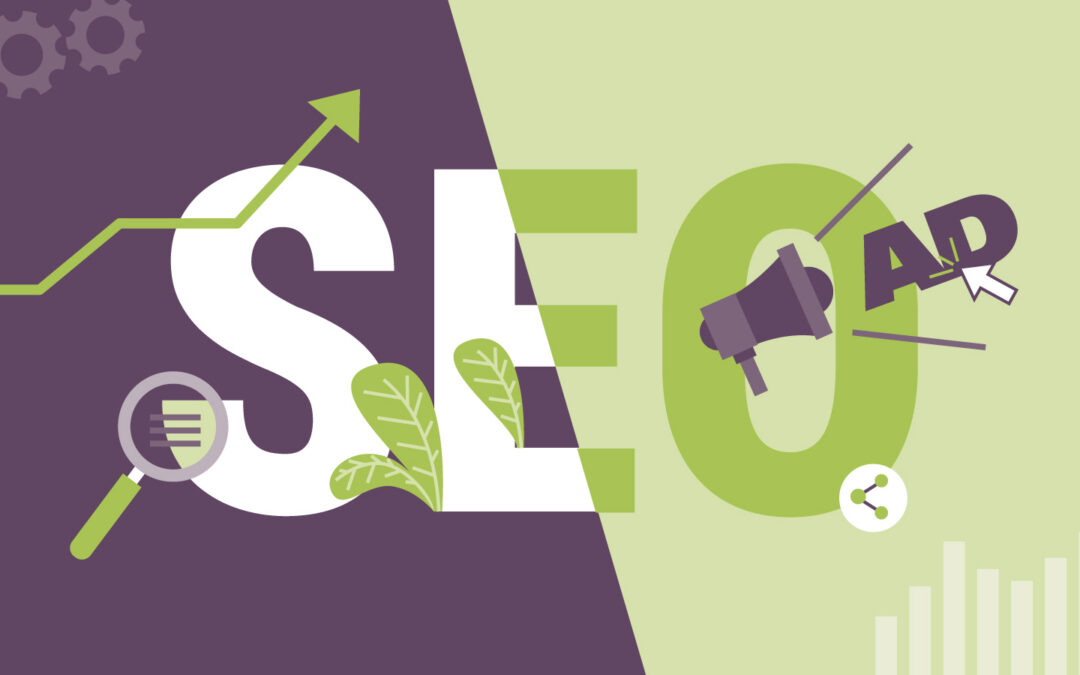
Clients often ask about organic SEO vs. paid ads and which works best. The answer varies based on your goals, website, and resources. In today’s competitive digital landscape, understanding the strengths of each approach can be the difference between simply appearing online and truly standing out. Often, combining both smartly yields the best results. This post outlines how each method works, when to use them, and how to tailor your strategy for your business.
What Can Organic SEO Do for You?
Organic SEO helps your website rank higher in search results without paying for every visitor. By strengthening your website’s content, technical setup, and reputation, you signal to search engines that your site is relevant and trustworthy. Effective strategies include creating valuable content, researching and using the right keywords, optimizing pages and meta tags, improving site speed and mobile usability, and earning links from reputable sources. While organic SEO does not deliver overnight results, its benefits last. People tend to trust organic results more than ads, so strong rankings can bring steady, reliable traffic to your site at no extra cost per click.
How Paid Search Ads Deliver Immediate Results
Paid search ads, sometimes called Pay-Per-Click (PPC) or Google Ads, place your business at the top of search results for targeted keywords and only charge you when someone clicks your ad. This approach is ideal for quickly attracting people actively seeking your products or services. PPC campaigns use a bidding system, so you compete with other businesses for attention, and your cost per click depends on your industry and the level of keyword competition. Paid ads deliver fast results, but once your budget is paused, your ads and traffic stop immediately.
SEO vs. Paid Ads: A Side-by-Side Comparison
See how SEO and paid search compare:
- Timeline: SEO builds long-term results over months, while paid ads drive immediate traffic within hours.
- Cost: SEO is a continuous investment, with no cost per visitor. Paid ads incur charges for every click, whether or not the visitor converts, plus an ongoing ad management fee.
- Trust: Users often trust and prefer organic results. Paid ads offer visibility when organic ranking is unlikely, especially in competitive spaces.
- Staying Power: SEO continues delivering visitors long after the initial work, unlike paid ads, which generate traffic only while your campaigns are funded.
Why You Need a Strong Website and SEO Foundation First
Before considering paid search ads, we urge clients to ensure their website is high-performing, trustworthy, and optimized for conversions. If your website loads slowly, lacks clear calls to action, or doesn’t establish buyer trust, you can drive a ton of people to the site from ads, but they’ll drop off without converting — or leave with a bad impression of your brand. A strong website and organic SEO foundation (with quality content, technical optimization, and authority-building) sets the stage for all marketing activities. Once this foundation is sound, paid search ads can be far more efficient and effective, amplifying your reach and results.
Organic SEO vs. Paid Ads: By the Numbers
- Organic search dominates traffic: Roughly 90% of clicks go to organic search results, with only about 10% going to paid ads. This highlights why organic visibility is essential for sustained online growth. (Source)
- Organic results outperform ads — even at the top: The #1 organic search result receives nearly 19 times more clicks than the top paid advertisement, even when ads are displayed above organic listings. (Source)
Choosing the Right Digital Marketing Strategy
Select the digital marketing path that fits your business:
- Organic SEO: Invest in long-term visibility and trust. This approach works well for businesses wanting to be discovered by people searching for solutions or services in your niche.
- Paid Search Ads: Use this approach for quick results, to promote special offers, or to target high-intent searches. Paid ads are also excellent for testing new ideas and generating leads fast.
- Combined Approach: While each strategy is effective on its own, combining SEO with paid search unlocks even greater visibility and impact. By using both, you can reach more potential customers at every stage of their journey and maximize your results.
Tailor Your Strategy for Service and Product Businesses
Every business is unique, so it’s important to tailor your digital marketing strategy to match your specific business model and goals. Service-based businesses and product-based (e-commerce) businesses benefit from different approaches. Below, we clearly outline SEO and paid search tactics for each business type to help you focus your marketing where it has the most impact.
SEO for Service Businesses
For service-based businesses — such as legal, consulting, or home services — organic SEO is about building trust, authority, and visibility for the problems you solve. Key focus areas include:
- Local SEO: Optimize your Google Business Profile, local citations, and use location-based keywords to show up for searches in your service areas, if local visibility is important.
- Expert Content: Create blog posts, service pages, guides, and FAQs that demonstrate your expertise, answer common questions, and help potential clients understand your value.
- Reputation and Trust: Collect and showcase positive reviews, highlight case studies and testimonials, and earn links from respected industry sites.
Aim to appear when people search for your services or need expert advice.
SEO for Product or E-Commerce Businesses
If you sell products online, your SEO priorities shift to helping both shoppers and search engines easily find and trust your products. E-commerce SEO includes:
- Product Page Optimization: Write unique, keyword-rich descriptions for every product and collection page, use high-quality images, encourage customer reviews, and avoid duplicate content across listings.
- Technical SEO: Ensure your site structure and navigation are clear, manage large inventories, improve site speed and mobile usability, and make sure search engines can easily crawl all product pages.
- Schema Markup: Use structured data (schema) to help search engines display your ratings, prices, availability, and reviews directly in search results.
SEO for e-commerce sites can be complex. Success requires ongoing attention to technical details, fresh content, and strategies for managing large product catalogs, reviews, and duplicate content issues.
Paid Search for Service Businesses
Paid search helps service businesses reach people at the exact moment they need help — like someone searching for “emergency plumber near me.” PPC for services typically focuses on:
- Lead Generation: Prioritize calls, bookings, or form submissions as your main conversion goals.
- Location Targeting: Use geo-targeting, ad extensions (such as call buttons or sitelinks), and highlight service areas to reach more relevant leads.
- Trust-Building: Highlight testimonials, years of experience, certifications, and display trust badges in your ads and landing pages.
Remove friction: Make it as easy as possible for users to contact you — fast-loading pages, clear forms, and call buttons matter.
Paid Search for E-Commerce Businesses
E-commerce and product-based PPC campaigns require a different approach:
- Shopping Ads: Use Google Shopping and product listing ads to display product images, prices, and reviews right in the search results, making it easy for shoppers to compare and buy.
- Dynamic Remarketing: Remarket to past customers or people who viewed or abandoned product pages with tailored ads, encouraging them to return and complete their purchase.
- Promote Sales and Inventory: Advertise special offers, limited-time deals, new arrivals, and manage inventory status to push priority products or pause ads for out-of-stock items.
- Campaign Segmentation: Segment campaigns by product category, bestsellers, or margins, and adjust bidding to maximize ROI.
E-commerce PPC gives you granular control over which products you promote, which keywords you target, and which shoppers you want to reach. Track every sale, measure ROI, and adjust campaigns in real time to grow profitably.
How Combining SEO and Paid Search Drives Big Results
Although SEO and paid search each offer unique strengths, integrating them can elevate your marketing and help you achieve even greater visibility and impact. Here’s how using both can take your marketing further:
- Double Visibility: Show up in both organic and paid results to boost your brand and attract more clicks.
- Gap Filling: Use paid ads to appear for keywords that are not ranked organically.
- Data Sharing: Use insights from paid ads to improve your SEO content, and apply SEO learnings to your ad campaigns.
- Smarter Spending: Use paid ads for your highest-value or most competitive keywords, while SEO brings you steady, cost-effective traffic for the long haul.
Key Takeaways: Choosing the Right Strategy
To get the most out of your digital marketing efforts, start with a high-performing website and a strong organic SEO foundation for sustainable, long-term growth. Once your website is trusted and optimized, adding paid search can quickly expand your reach and bring in new customers. Tailoring your SEO and paid search tactics to your business model — whether services or products — ensures your efforts are as effective as possible. When you use both strategies together, you can dramatically increase your visibility, generate more leads, and drive sales.
Our team specializes in organic SEO and paid search solutions that help you stand out and grow. Let’s work together to build a digital marketing strategy that delivers real results for your brand.